Phys.org - 15 Aug 2026 14:00

NASA is planning to send three small rovers to the moon with a single instruction: Work out among yourselves how to explore a patch of ground.
SPACE.com - 15 Aug 2026 14:00
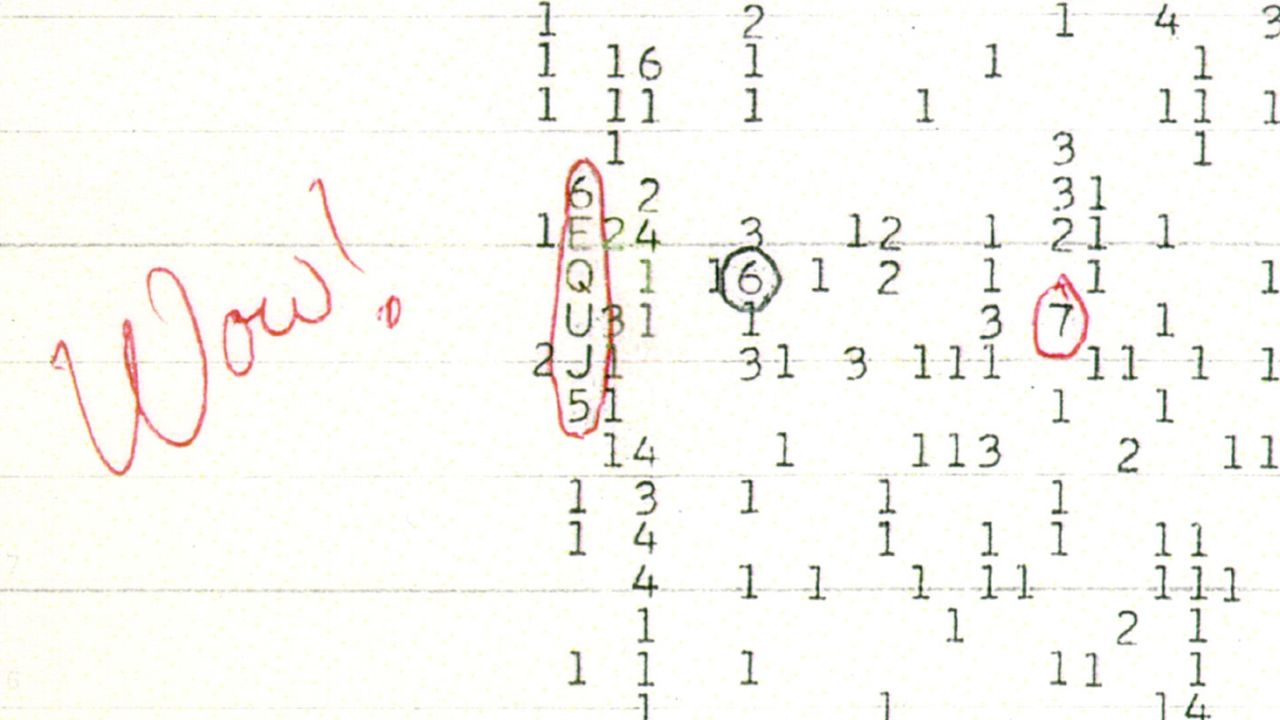
On Aug. 15, 1977, astronomers using Ohio State University's Big Ear radio telescope detected the famous "Wow!" signal, which remains unexplained to this day.
SPACE.com - 15 Aug 2026 13:00

In brightest day, in blackest night, no Lanterns character shall escape our sight!
SPACE.com - 15 Aug 2026 12:08

On Episode 223 of This Week In Space, Rod Pyle and guest co-host Dale Skran are joined by Dr. Scott Pace to discuss the future of exploration on the Moon.
Phys.org - 15 Aug 2026 11:20

Neptune's moon and ring system stand out among the giant planets because of the strange imbalance between its one very large moon and its many tiny moons. Its largest moon, Triton, makes up more than 99% of the mass ...
SPACE.com - 15 Aug 2026 09:00
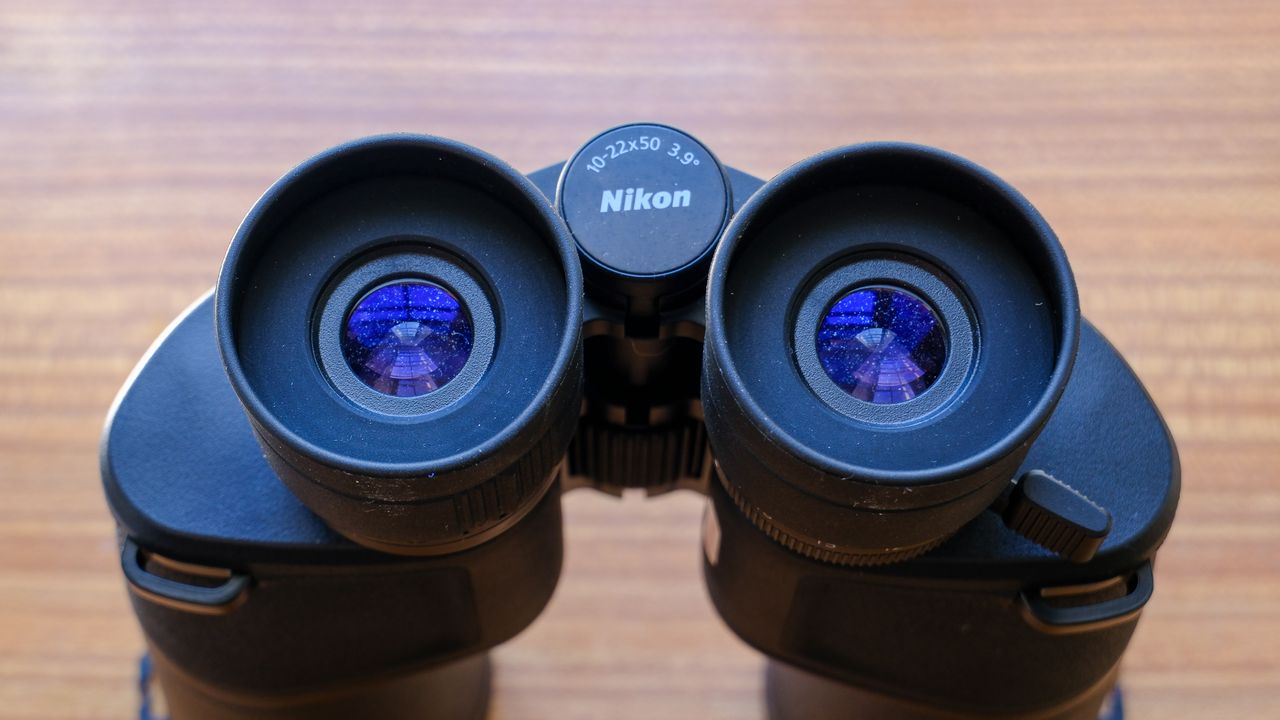
Get everything between 10x and 22x with Nikons new Action Zoom 10-22x50 binoculars
NASA Breaking news - 15 Aug 2026 04:05
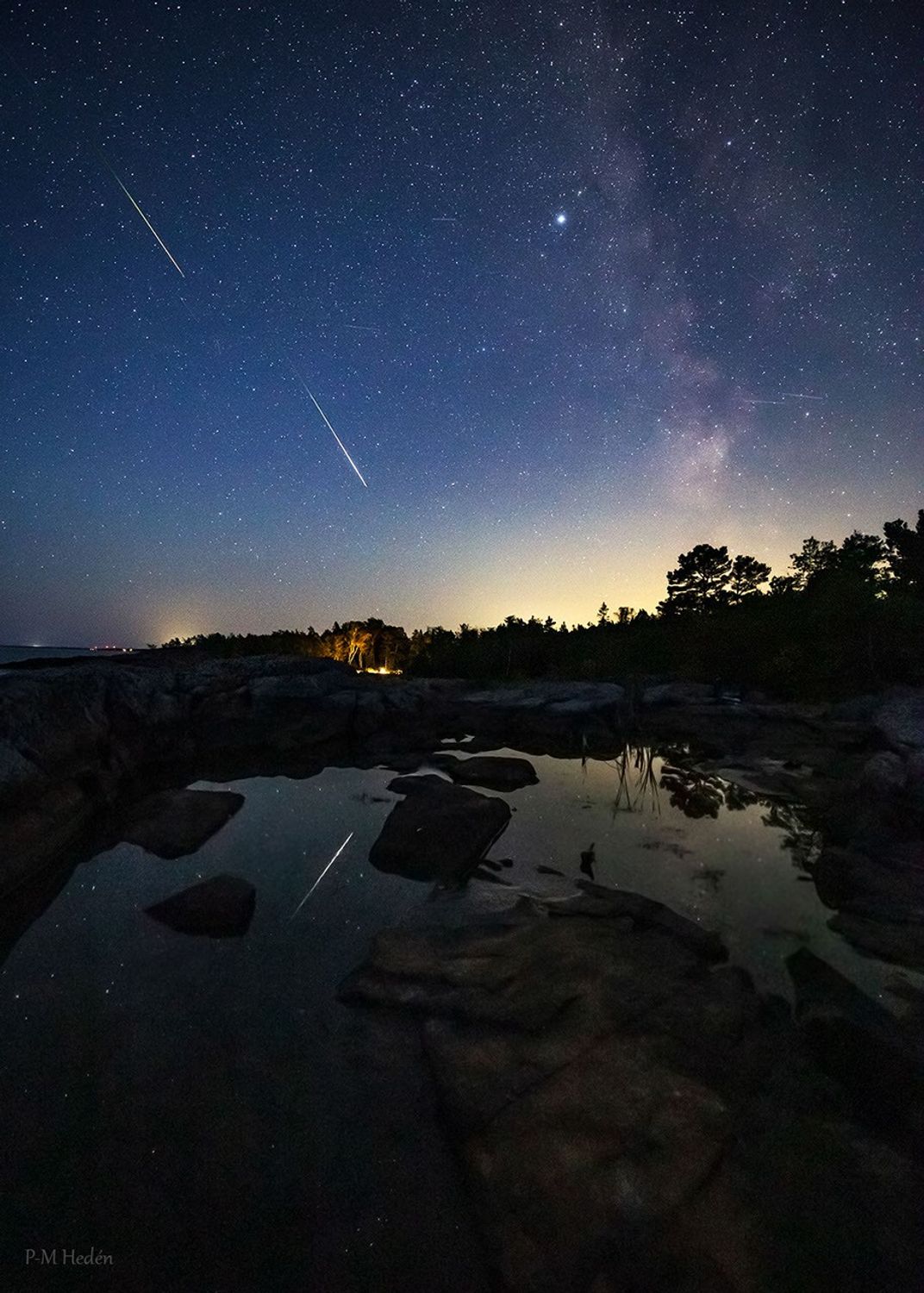
APOD Science APOD APOD: 2026 August 15 - Todays APOD Archive Submissions Index Search Calendar RSS Education About Discuss APOD Astronomy Picture of the Day Discover the cosmos! Each day a different image or photograph o...
Universe Today - 15 Aug 2026 00:22

A new study modelling Reflect Orbital's proposed constellation of giant orbital mirrors finds their light pollution would be severe. A single 54 metre satellite would appear four magnitudes brighter than the full moo...
 American
Space News for 15 August 2026
American
Space News for 15 August 2026
 Global
 Great Britain
 Indian
 South Africa